A useful wardrobe does not require a large number of clothes. This wardrobe essentials checklist helps you identify the core pieces you actually wear, choose versatile additions, and audit gaps before shopping. Use it when building a capsule wardrobe, changing jobs, preparing for a move, or simply trying to make daily dressing easier.
Overview
The right wardrobe essentials depend on your climate, dress code, laundry routine, commute, and social life. A person who works remotely in a warm climate will need a different mix from someone who commutes to a formal office in a cold city. Treat the checklist below as a planning framework rather than a fixed shopping list.
Start by dividing your clothing into six groups: tops, bottoms, layers, shoes, occasion pieces, and accessories. Aim for items that work in at least two or three outfits, suit your real weekly routine, and can be maintained without excessive effort. A versatile piece is not necessarily plain; it is one that fits your existing colors, proportions, and activities.
Core wardrobe essentials checklist
- Tops: two to four everyday T-shirts or knit tops, one or two elevated blouses or shirts, and a comfortable long-sleeve layer for cooler weather.
- Bottoms: one reliable pair of jeans, one casual alternative such as trousers or chinos, and one polished bottom that works for your workplace or dressier plans.
- Layers: one cardigan or overshirt, one blazer or structured jacket, and one weather-appropriate coat or outer layer.
- One-piece options: one easy dress, jumpsuit, or coordinated set if it suits your lifestyle and makes occasion dressing simpler.
- Shoes: comfortable everyday sneakers or flats, a polished work-appropriate pair, weather-ready footwear, and an occasion shoe only if you will genuinely use it.
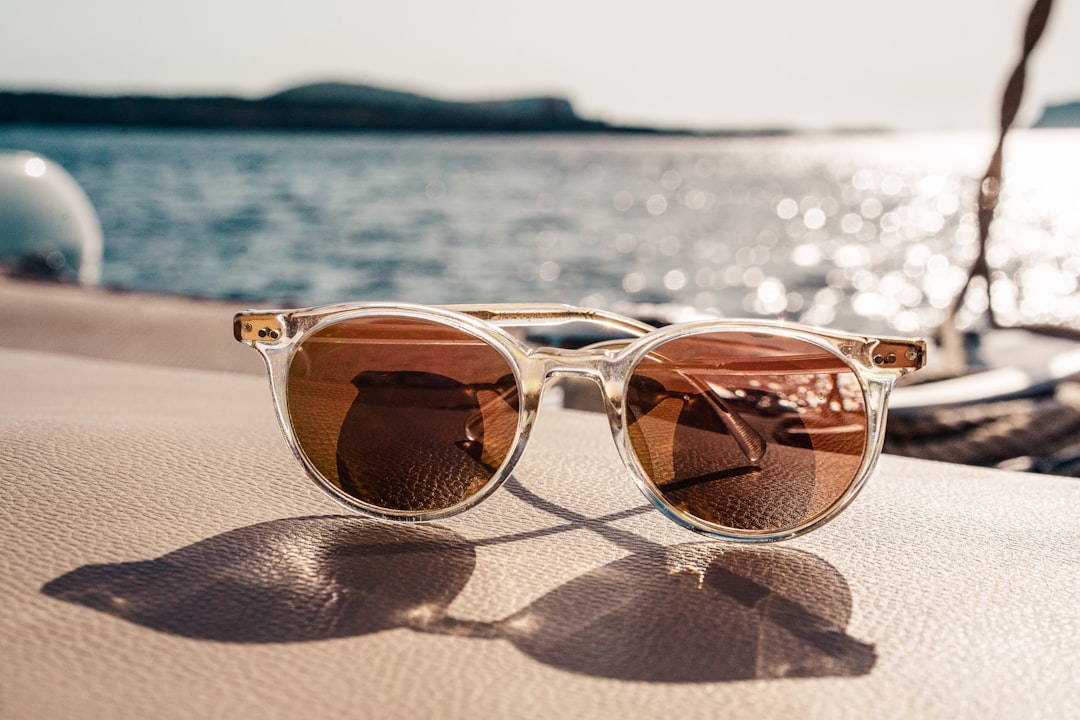
- Accessories: an everyday bag, a work or travel bag if needed, a belt, a versatile scarf, simple jewelry, sunglasses, and practical cold- or wet-weather accessories.
Underwear, sleepwear, activewear, and home clothes should be counted separately. They matter to your laundry cycle, but they do not need to follow the same outfit-mixing rules as your visible wardrobe.
For a deeper starting point, compare this list with the minimalist wardrobe checklist and shopping plan. If you prefer a defined seasonal rotation, the seasonal capsule wardrobe template can help you decide what stays in regular circulation.
Checklist by scenario
The same basic pieces can serve several parts of your life, but only when their fabric, fit, and level of polish match the setting. Use the table as a quick audit, then adjust the quantities to your actual schedule.
| Wardrobe area | Work | Weekends | Travel | Dressier plans |
|---|---|---|---|---|
| Tops | Shirts, blouses, fine knits | T-shirts, relaxed shirts, casual knits | Low-maintenance layers in coordinating colors | One refined top or statement blouse |
| Bottoms | Tailored trousers, skirt, or dark denim where appropriate | Jeans, relaxed trousers, or shorts | Comfortable trousers and one adaptable bottom | Polished trousers, skirt, or formal-appropriate option |
| Layers | Blazer, cardigan, or neat jacket | Overshirt, denim jacket, or sweater | Lightweight layer plus weather protection | Structured jacket, wrap, or dressy coat |
| Shoes | Work-appropriate flats, loafers, boots, or heels | Walking shoes or clean sneakers | Comfortable pair that is already broken in | Occasion shoes suited to the venue and weather |
| Accessories | Structured bag, belt, understated jewelry | Crossbody, tote, cap, or casual jewelry | Secure bag, sunglasses, and compact accessories | Small bag, jewelry, and finishing pieces |
Quantity guidance by lifestyle
Quantities should follow how often you do laundry and how frequently each category appears in your week. Someone who washes clothes weekly may need fewer everyday tops than someone who launders less often. As a starting point, a mostly casual wardrobe might use three to five everyday tops, two to three bottoms, two layering pieces, and two everyday shoes. A work-heavy wardrobe may need more polished tops and bottoms, while a travel-focused wardrobe benefits from fewer colors, lighter layers, and fabrics that tolerate repeated wear.
Do not buy duplicate quantities simply because a checklist suggests them. Mark each item as needed now, useful later, or not relevant. If you work in a formal environment, consult the guide to business casual outfits for women before replacing workwear. For weddings and other formal events, use the wedding guest outfit guide rather than forcing everyday basics to do a job they were not designed for.
A simple gap-audit worksheet
- Write down the occasions you dress for in a typical month.
- List the five outfits you wear most often and note what makes them work.
- Identify pieces you avoid because of poor fit, discomfort, difficult care, or lack of coordinating items.
- Circle categories with a genuine shortage, such as weather-ready shoes or presentable work tops.
- Before shopping, create one outfit using the proposed item and two existing outfits it would improve.
- Set a replacement priority: safety or function first, frequent-use basics second, and occasional or decorative pieces last.
What to double-check
Fit and movement
Check whether you can sit, walk, reach, layer, and carry your usual bag comfortably. A garment that looks good on a hanger but restricts movement will rarely become a wardrobe essential. Pay attention to shoulder placement, waistband comfort, sleeve length, rise, and whether fabric pulls across the body. Alterations may help with some measurements, but they cannot fix every proportion or construction issue.
Fabric and care
Choose fabrics according to use. Hard-wearing materials can be useful for high-rotation basics, while lighter or more delicate fabrics may be better reserved for lower-frequency pieces. Read the care instructions before buying and consider whether you will actually wash, dry, iron, or repair the item as required. The clothing care guide can help you build maintenance into your wardrobe plan.
Color and outfit compatibility
Choose a small group of colors that already appears in your closet. A practical palette might include two or three neutrals, one accent color, and a preferred metal tone for jewelry, but there is no need to follow that formula if you enjoy prints or bright color. The test is simple: can you create several complete outfits without buying additional pieces?
Climate, sizing, and availability
Account for heat, rain, cold, humidity, and indoor temperatures in your area. Review size availability and the garment’s actual measurements rather than relying only on a labeled size. If a brand or item does not serve your fit needs, move on; a capsule wardrobe should make dressing easier, not require you to compromise comfort.
Accessories that earn their place
Accessories should solve a real need or consistently improve outfits. A secure crossbody may be more useful than a novelty bag if you walk or travel often. Sunglasses should suit your face, vision needs, and daily activities; the guide to choosing sunglasses for your face shape and lifestyle covers those decisions separately.
Common mistakes
- Shopping for an imaginary lifestyle: Build around the work, errands, weather, and events you actually experience.
- Buying basics without checking gaps: A third neutral top will not solve a shortage of suitable shoes or outerwear.
- Confusing versatility with blandness: A useful wardrobe can include color, texture, prints, and personality.
- Ignoring footwear: Shoes determine whether many outfits are practical, weather-ready, or appropriate for the occasion.
- Keeping uncomfortable clothes as aspirational pieces: If an item needs constant adjusting, it is unlikely to become a reliable staple.
- Using a strict item count: A number is less important than outfit coverage, comfort, and how often you wear each piece.
- Forgetting care and storage: Overcrowded storage and unsuitable washing can shorten the useful life of good clothes. Use the seasonal closet reset checklist to review what should be stored, repaired, or removed.
When to revisit
Revisit this wardrobe essentials checklist before each seasonal planning cycle and whenever your circumstances change. Useful triggers include a new job or dress code, a move to a different climate, a change in commute, more frequent travel, a shift in activity level, or a change in the clothes that fit comfortably. A seasonal review does not mean replacing everything; it means checking whether the current rotation matches the next few months.
Set aside 30 to 45 minutes for a practical reset. Pull out the pieces you wear most, record missing outfit categories, inspect shoes and outerwear, and separate repairs from replacement needs. Then make a short shopping list with no more than the highest-priority gaps. Wait before buying trend-led or occasional items until the functional list is complete.
After each review, save the updated list on your phone or with your wardrobe notes. Recheck it after a few weeks of wear: the pieces you repeatedly reach for reveal more than a theoretical checklist. For travel planning, the carry-on capsule wardrobe planner offers a focused version of the same process. For autumn, adapt the approach with the fall capsule wardrobe outfit planner.
Your next step: choose one category, audit what you own, and identify the single gap that would create the most new outfits. Buy or repair that item only after testing it against your real schedule, existing colors, preferred fit, and care routine.