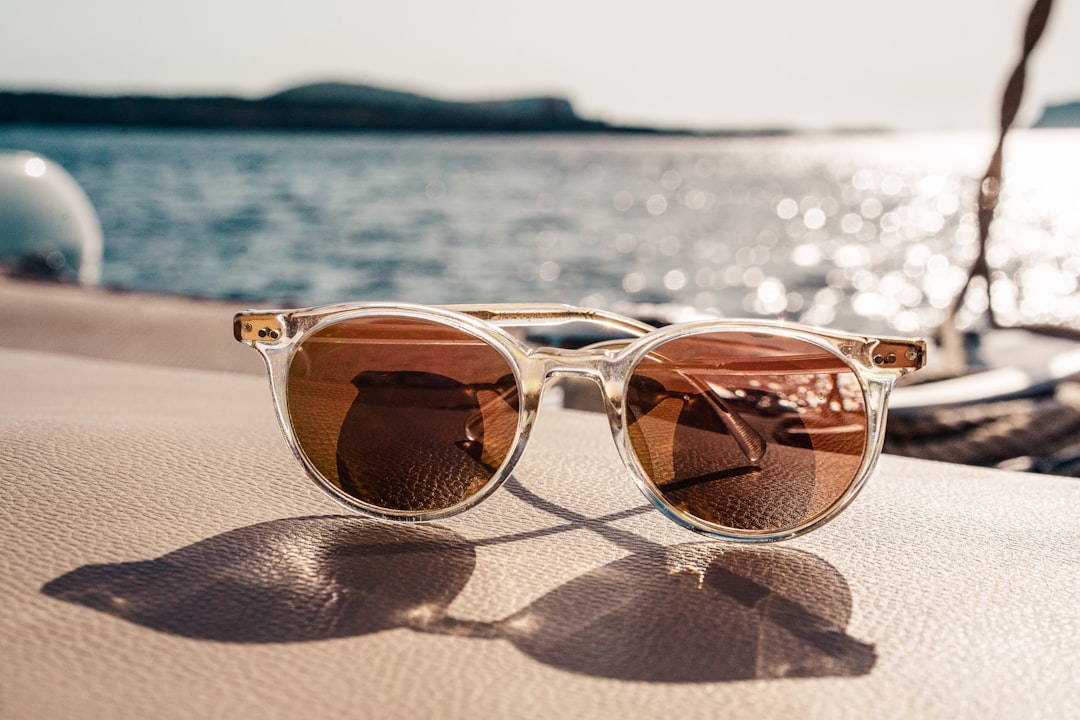
Planning what to pack for a trip is easier when you build around the itinerary, climate, and repeatable outfit formulas rather than packing one look for every possible moment. This travel wardrobe checklist shows how to choose versatile pieces, set practical limits for shoes and layers, plan for laundry, and decide whether a carry-on or checked bag makes more sense.
Overview
A useful travel capsule wardrobe usually has three qualities: every item earns more than one outfit, the fabrics suit the destination, and the total volume matches your luggage. Before opening your closet, write down the trip’s real conditions:
- Length: Count travel days, but also note whether laundry will be available.
- Climate: Check the expected temperature range, rain risk, humidity, wind, and temperature changes between day and night.
- Activities: Separate walking, sightseeing, dinners, swimming, meetings, hikes, and formal events.
- Dress codes: Confirm requirements for work, religious sites, weddings, restaurants, or cultural venues.
- Luggage: Start with the bag you intend to use. A packing list should fit the available space, not the other way around.
For many trips, a practical starting point is a small capsule of tops, bottoms, one outer layer, one polished option, sleepwear, underwear, and two or three pairs of shoes. The exact number depends on the itinerary. A short city break with laundry access needs less than a two-week trip through several climates.
Choose a simple color structure to make outfit planning easier: two base neutrals, one optional accent color, and accessories that work across the palette. For example, navy and cream can be paired with olive, burgundy, or denim. This does not mean every item must look identical; it means fewer pieces will be stranded without a compatible partner.
Checklist by scenario
Use the scenario below as a starting point, then adjust the quantities to your forecast and schedule. The goal is not to follow a fixed number but to create enough combinations without packing duplicates.
| Trip type | Core clothing plan | Layers and shoes | Useful finishing pieces |
|---|---|---|---|
| Warm-weather city | 3–5 breathable tops, 2 bottoms, 1 easy dress or jumpsuit, sleepwear, underwear | Light overshirt or cardigan; comfortable walking shoe and a dressier sandal or flat | Packable hat, sunglasses, crossbody bag, light scarf |
| Beach or resort | 2–3 swimwear options, 2 cover-ups, 3 casual tops, 2 bottoms, one dinner outfit | Light layer for evenings; water-friendly sandal and walking shoe | Sun protection, tote, small pouch for wet items |
| Cold-weather city | 2–3 base layers, 2 tops, 2 bottoms, knitwear, sleepwear, warm accessories | One insulating layer, one weather-resistant outer layer, boots and a comfortable secondary shoe | Gloves, hat, scarf, compact umbrella if appropriate |
| Business trip | 2–3 work tops, 2 trousers or skirts, one blazer, one dress or polished alternative, casual travel outfit | One pair of work shoes and one comfortable travel shoe; add a coat according to the forecast | Structured tote, compact jewelry, belt, garment folder or packing cube |
| Mixed itinerary | Neutral basics, one active or casual outfit, one elevated outfit, adaptable separates | Walking shoe, occasion-appropriate shoe, and one layer that works across settings | Convertible bag, scarf, simple jewelry, laundry supplies |
Build outfits before packing
Instead of counting isolated garments, sketch at least five complete looks. A useful packable travel outfit plan might include:
- Transit look: Stretch trousers or relaxed jeans, a breathable top, a cardigan or overshirt, and the bulkiest comfortable shoe.
- Walking look: A repeatable top with lightweight trousers or a skirt, plus a crossbody bag and weather-ready layer.
- Polished daytime look: A button-down or fine knit with tailored trousers, a skirt, or dark denim.
- Dinner look: A simple dress, jumpsuit, or refined separates changed with jewelry and shoes.
- Flexible spare look: A combination made from pieces already used elsewhere, not a completely separate outfit.
Follow a one-in, many-out test: each top should work with at least two bottoms, and each bottom should work with at least two tops. If a piece needs a special shoe, special bra, or separate jacket, decide whether its value justifies the space.
Printable carry-on clothing checklist
- □ Tops suited to the forecast and planned activities
- □ Two or more versatile bottoms
- □ One polished outfit for dinners, meetings, or events
- □ One warm or weather-resistant layer
- □ Sleepwear and enough underwear for the laundry plan
- □ Comfortable walking shoes plus one activity-appropriate alternative
- □ Socks, tights, or base layers where needed
- □ Swimsuit or activewear if relevant
- □ Sunglasses, hat, belt, and compact accessories
- □ Laundry bag, stain-removal option, and a small amount of detergent
What to double-check
Fabric and wrinkle resistance
Look for fabrics that recover well after being folded and can be worn more than once. Knits, jersey, denim, wool blends, and some synthetic performance fabrics may be practical depending on the climate and garment construction. Linen and cotton can be comfortable in heat but may crease more readily. If you pack them, roll or fold carefully and plan to hang them on arrival. Test unfamiliar fabrics at home for transparency, stretching, odor retention, and drying time before relying on them for a trip.
Laundry and drying
For a longer trip, a mid-trip wash can reduce the number of garments you need. Confirm whether laundry is available, or plan for sink washing with quick-drying pieces. Avoid packing an outfit that cannot be worn again until it has been professionally cleaned. Keep worn clothing separate in a washable bag and allow damp items to dry fully before closing your luggage.
Layering and footwear limits
Layers usually create more combinations than extra single-purpose garments. A shirt worn open, a cardigan over a dress, or a lightweight jacket over a tee can cover changing temperatures without multiplying your packing list. Shoes take substantial space, so aim for a maximum of three pairs for most trips: one for walking, one for the main activity or weather, and one polished or specialized pair when necessary. Wear the heaviest pair during transit.
Carry-on versus checked bag
| Choose a carry-on when | Consider a checked bag when |
|---|---|
| The trip is short, laundry is possible, and your wardrobe is light. | You need bulky cold-weather layers, specialist equipment, or multiple formal looks. |
| You have connecting travel or want to keep essential items with you. | The itinerary is long and the forecast requires substantial clothing variety. |
| Your shoes and outerwear fit without compressing delicate garments. | Sharing luggage or transporting items makes one smaller bag impractical. |
Always verify the current size, weight, and liquid requirements for your airline and itinerary before departure. Allow room for souvenirs only if you have a realistic plan for what will come out or how the extra space will be used.
Common mistakes
- Packing for fantasy activities: Build around confirmed plans and one sensible contingency, not every possible version of the trip.
- Taking too many shoes: Choose pairs that are already broken in and compatible with several outfits.
- Ignoring the journey itself: Your transit outfit should be comfortable, temperature-flexible, and presentable if luggage is delayed.
- Bringing untested clothing: Wear new shoes and try new combinations at home before departure.
- Forgetting underlayers: Check bra compatibility, camisoles, tights, socks, and the need for modesty layers.
- Overpacking accessories: Select a small jewelry capsule, one practical everyday bag, and only the accessories that change an outfit.
- Relying on a vague forecast: Recheck conditions close to departure and make a final layer adjustment rather than adding a full second wardrobe.
For more outfit-building support, use the wardrobe essentials checklist to identify versatile foundation pieces, or adapt the seasonal capsule wardrobe template to your destination. If care instructions are unclear, review the clothing care guide before washing travel garments.
When to revisit
Return to this checklist whenever the itinerary, forecast, luggage plan, or dress code changes. A useful review schedule is one planning pass when you book the trip, a wardrobe test about a week before departure, and a final forecast check shortly before packing.
At the first planning pass, identify activities and buy or borrow only genuine gaps. During the wardrobe test, lay out complete outfits and remove anything that does not combine with at least two other pieces. At the final check, adjust layers, footwear, and rain or sun protection for the expected conditions. After the trip, note what went unworn, what was uncomfortable, and what needed washing sooner than expected. Save those observations with your packing list so the next travel capsule wardrobe becomes more accurate.
The most reliable packing list is not the longest one. It is a small, adaptable wardrobe that reflects how you will actually spend your time. Choose the climate first, build around repeatable outfit formulas, and pack only what you can wear comfortably and care for on the journey.